






































































































































































































































































































































































































































































































Gastech Energy Club
An invitation-only network where global energy leaders align on critical decisions, accelerate partnerships, and drive energy security at scale.

EXHIBITION & CONFERENCE 14 - 17 SEPTEMBER 2027 HOUSTON, UNITED STATES
EXHIBITION & CONFERENCE
14 - 17 SEPTEMBER 2027
HOUSTON, UNITED STATES
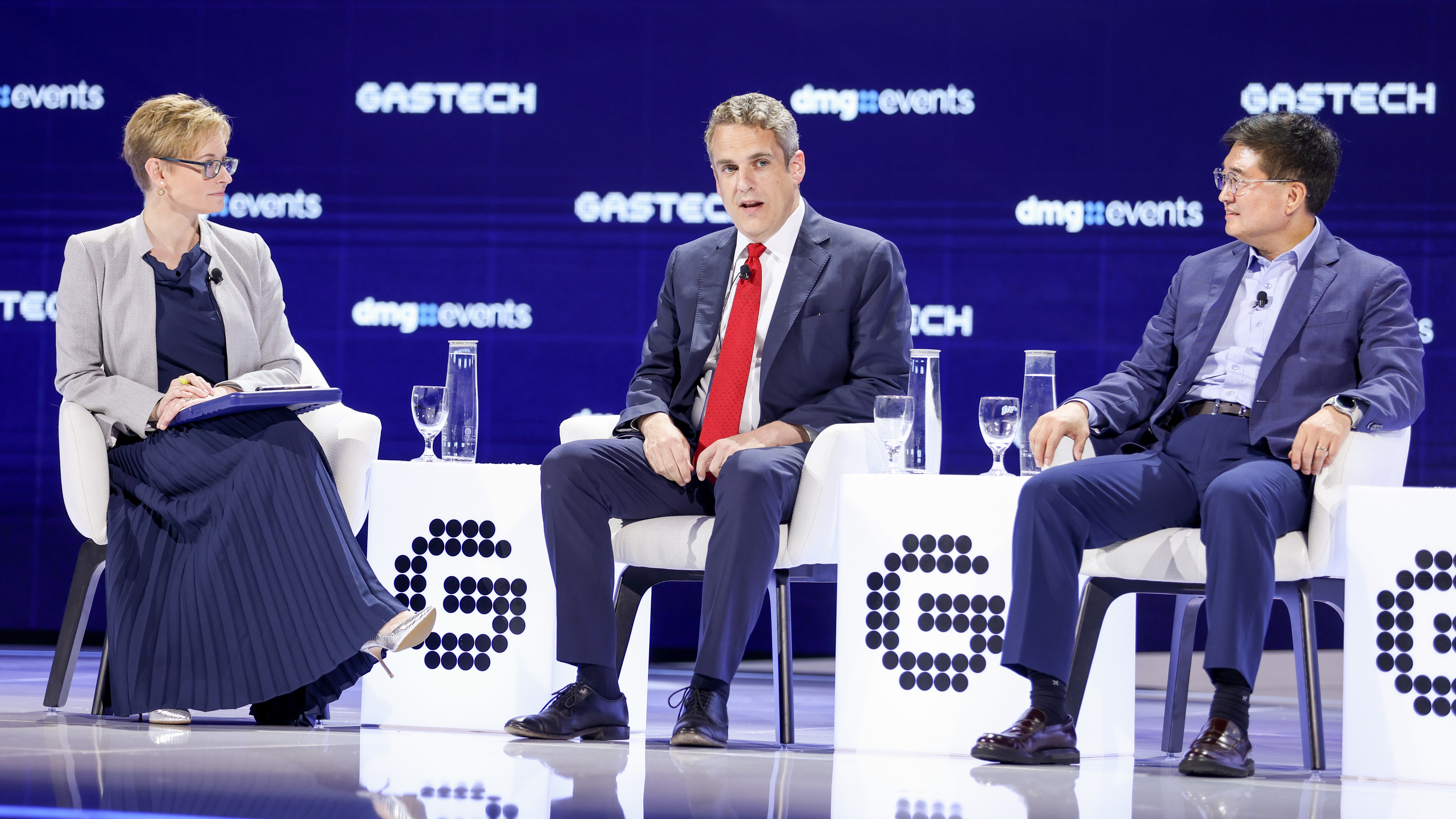
Year after year, Gastech brings together global energy leaders - from government ministers and C-suite executives to policymakers, investors and technology innovators. Representing organizations across the energy value chain, these leaders share the insights and strategies shaping energy security, rising demand and long-term market stability.
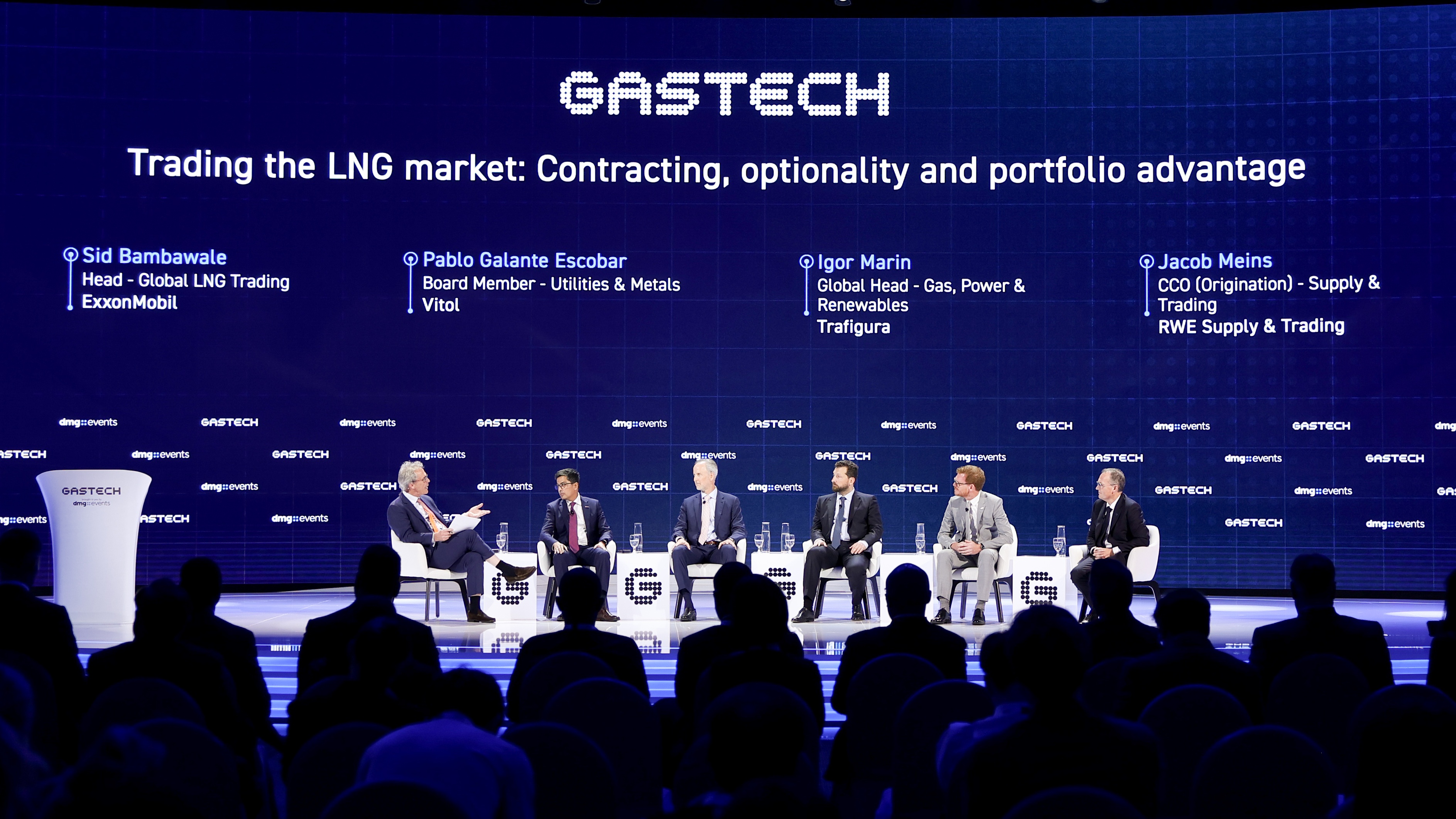
The Strategic Leadership Program will bring together senior leaders shaping the global energy agenda. Discussions will explore the policies, investments and partnerships needed to strengthen energy security and affordability, while highlighting practical pathways to deliver reliable, lower carbon energy at scale amid rising demand and geopolitical change.
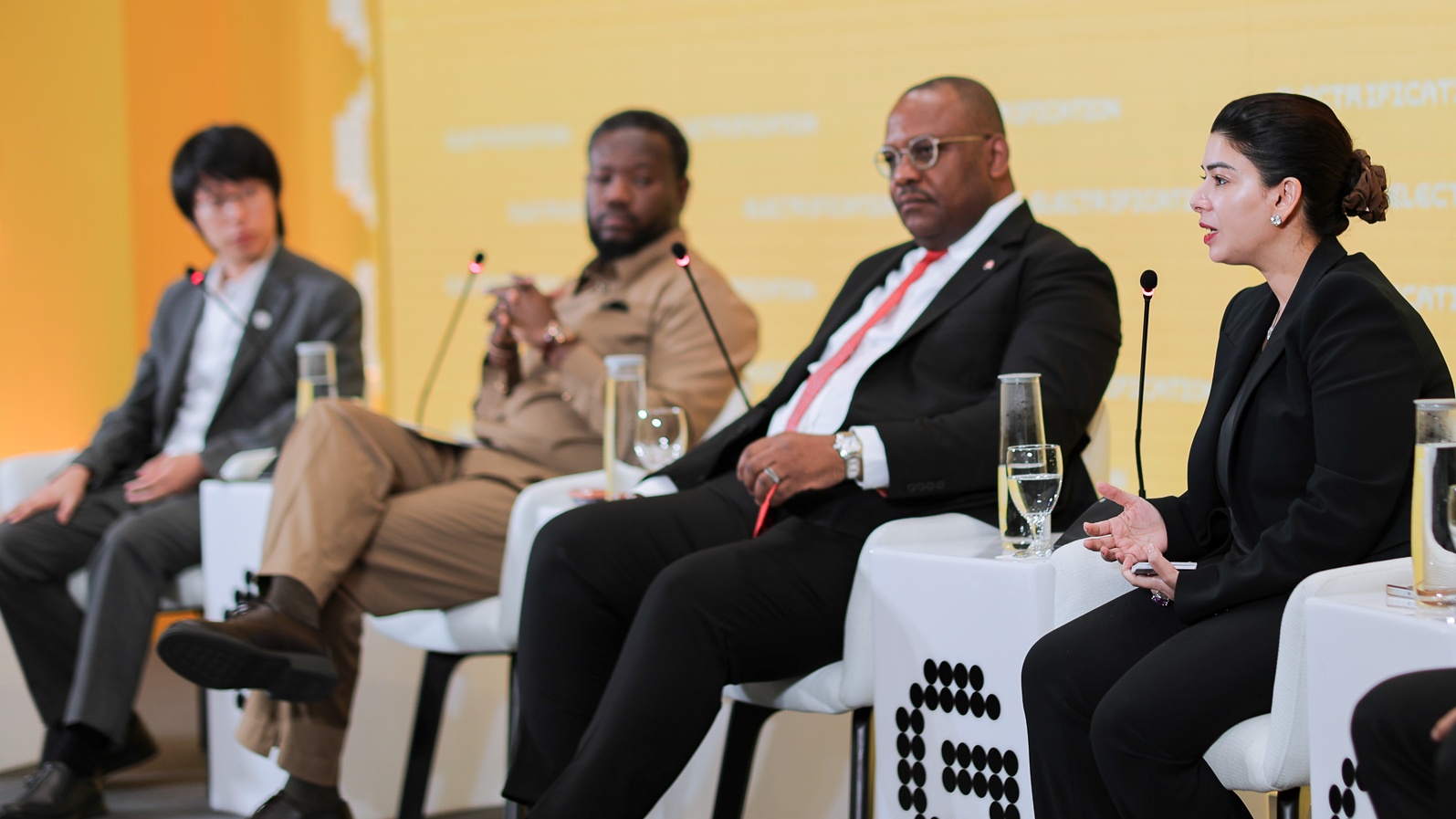
The Electrification Strategic Program brings together influential leaders from across the power sector to examine the next decade of system transformation. Discussions will explore emerging technologies, changing demand patterns and the investment models needed to build reliable, competitive and decarbonized power systems.
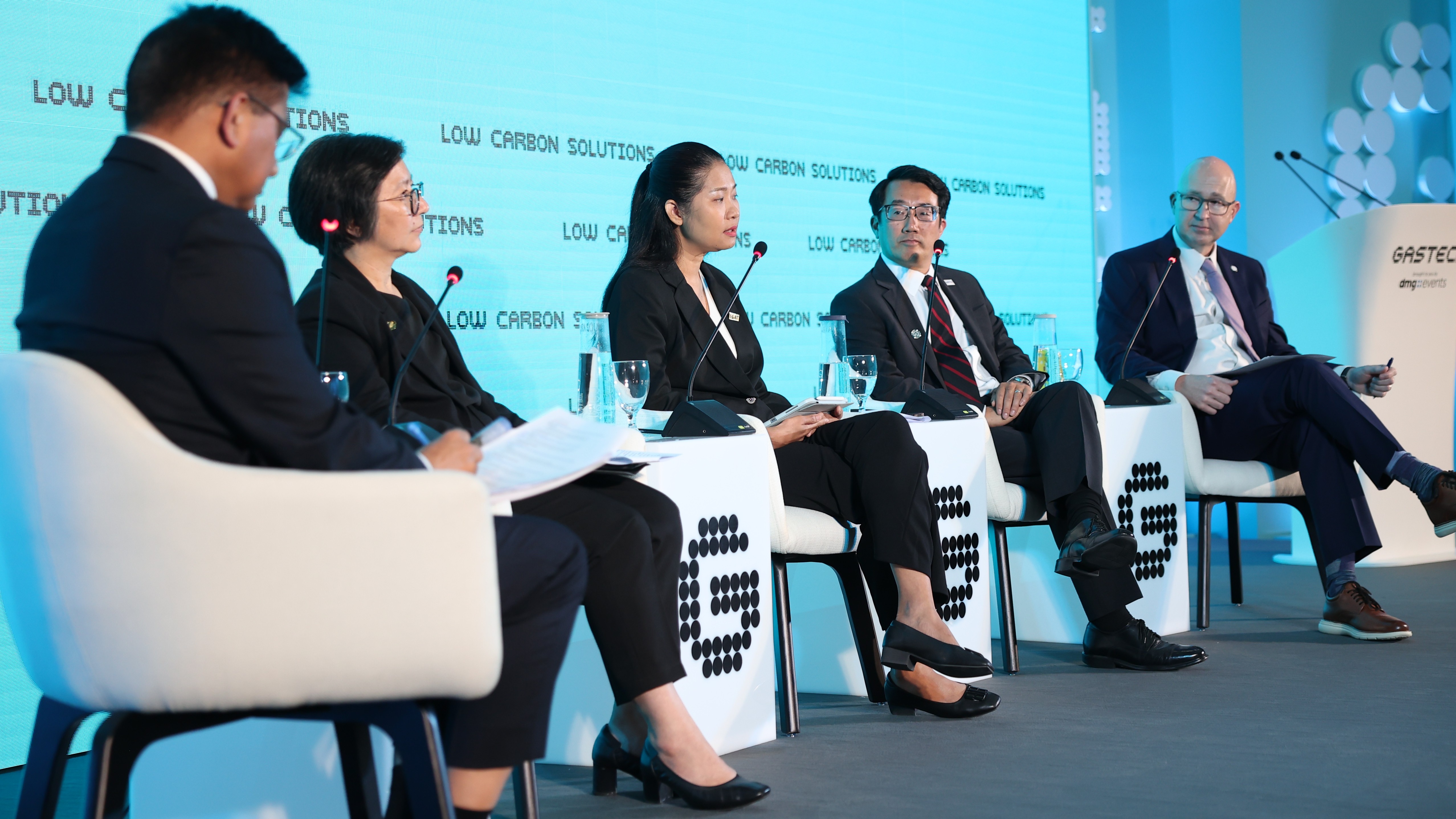
The Low Carbon Solutions Strategic Program will bring together energy leaders, investors and innovators to explore scalable, investable pathways to lower emissions. Discussions will focus on technologies and strategies that support energy security, industrial competitiveness and the transition to a lower-emissions future.
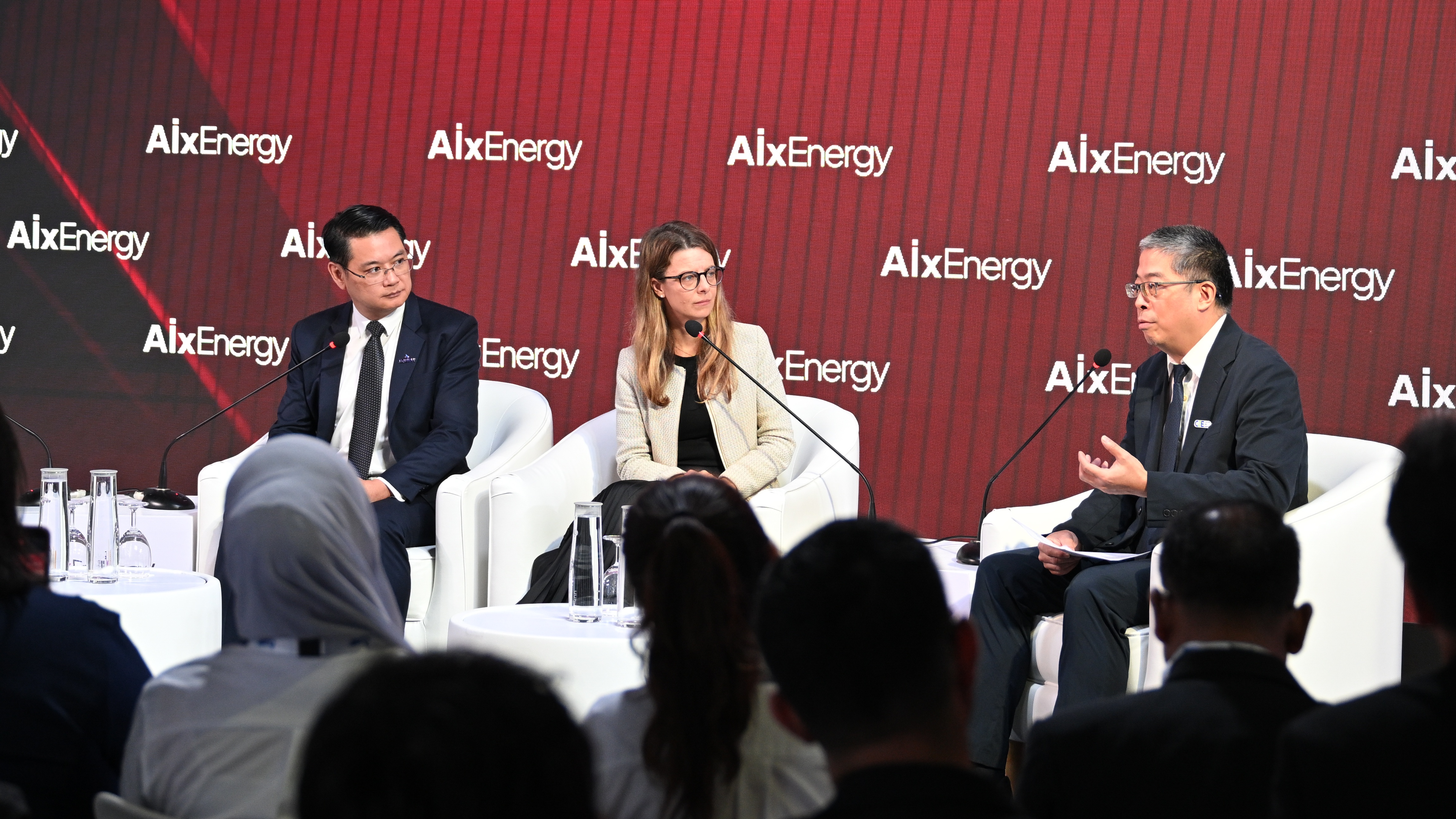
The AixEnergy Program will examine how AI is reshaping energy demand, infrastructure and operations. Discussions will explore investment, power requirements and deployment across grids, pipelines and generation assets, alongside the commercial and operational decisions shaping the future of AI and energy.
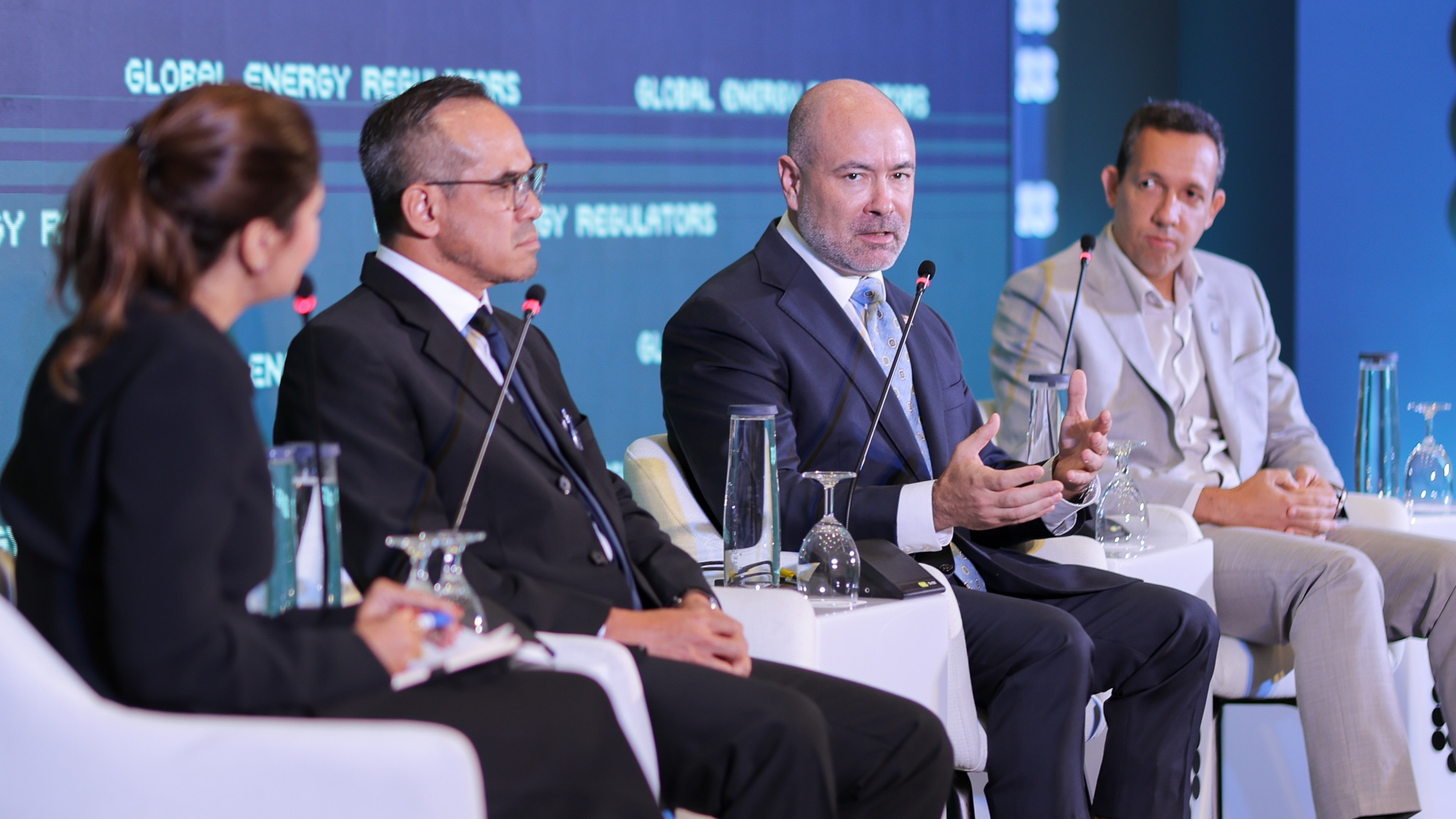
High-level gathering for senior regulatory authorities, policymakers and energy market leaders to address the rapidly evolving challenges shaping global energy systems. The Forum provides a platform for peer-to-peer exchange on the regulatory tools, governance models and policy approaches needed to navigate this period of structural change.
Powering the AI revolution and meeting a new era of energy demand.
Advancing lower-carbon solutions while meeting the world’s growing energy needs.
Securing reliable, affordable and scalable natural gas and LNG supply for global markets.
Strengthening supply chains, infrastructure and logistics to deliver energy where it is needed.
Building the power systems needed to support industry, growth and rising electricity demand.
Unlocking the capital, partnerships and investment needed to turn opportunity into delivery.
Explore a range of high-level formats designed to spark focused discussion, share practical insight and connect policymakers, industry leaders and experts.
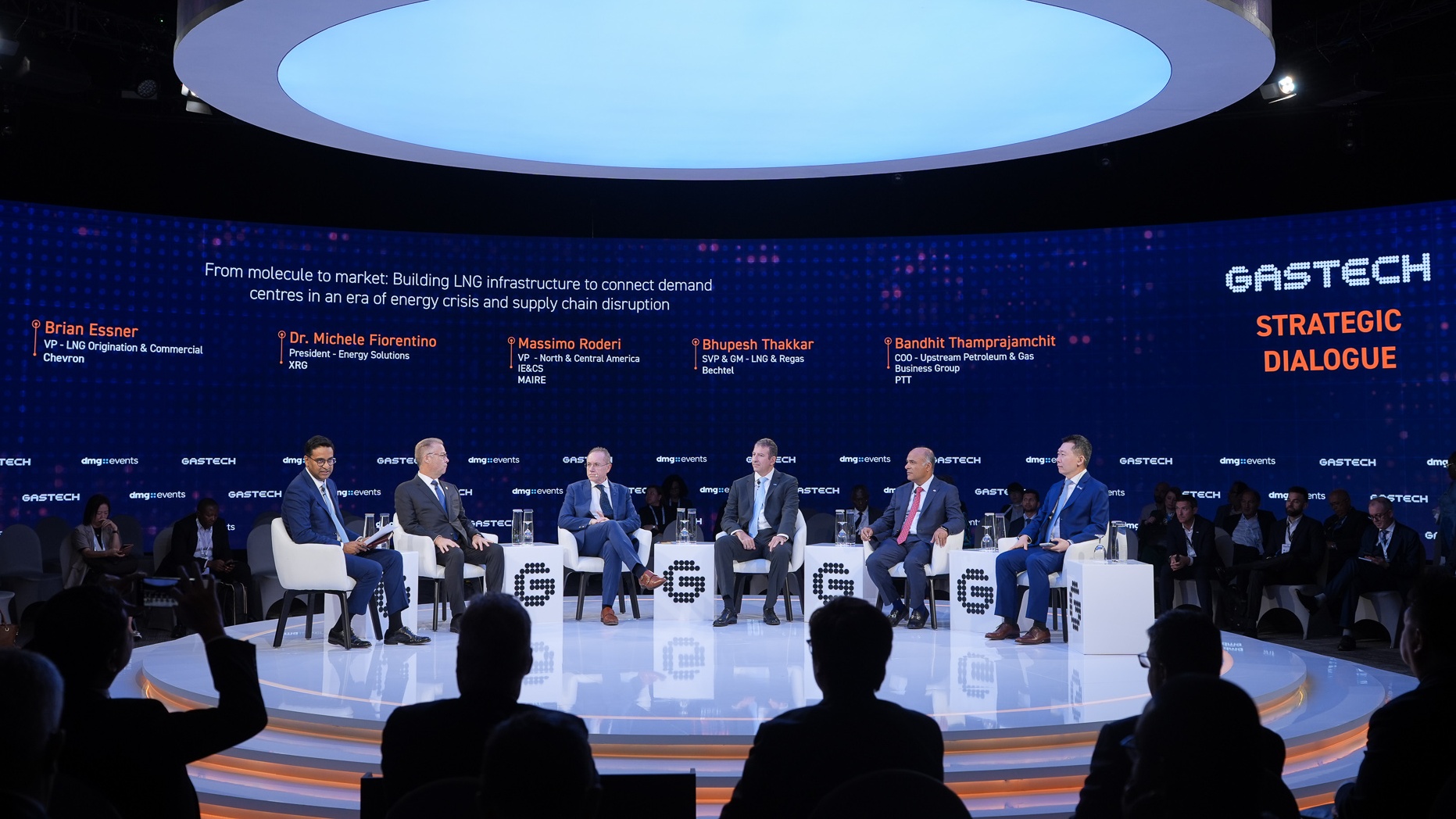
Ministers and policymakers from the world’s leading economies will share their insights on geopolitics, economic priorities, energy security, and national roadmaps to Net zero.
Senior policymakers and energy sector leadership will tackle both the near-term and long-term challenges confronting the industry and determine pathways to bolstering resilience, sustainability and affordability.
CEOs and industry leaders across the energy value chain explore corporate strategies to harness the growth opportunity natural gas provides, along with the rapid deployment of climate technologies, to transform energy systems, advance the new industrial age and provide clean, affordable energy to all.
Convening leading minds and personalities from the global energy sector, policy, AI and adjacent industries in a series of short form interviews with noted broadcasters and industry analysts. The talks provide unique insights from the leaders at the vanguard of the global energy ecosystem transformation.
A dedicated series of discussions for senior industry practitioners in natural gas and LNG to exchange insights on operational challenges and strategic solutions.
Leading industry experts, analysts and commentators go head-to-head on the defining questions facing energy markets, from fuel competitiveness and subsidy policy to trade, tariffs and the role of gas in the energy transition, offering bold, competing perspectives that challenge consensus.
A select group of senior executives and policymakers for focused, high-level discussion. Designed to inform investment, policy and long-term strategy, each session supports more aligned action across the international energy sector.
An invitation-only network where global energy leaders align on critical decisions, accelerate partnerships, and drive energy security at scale.
Explore the senior leaders, policymakers and industry experts who have shared their perspectives at Gastech 2026.
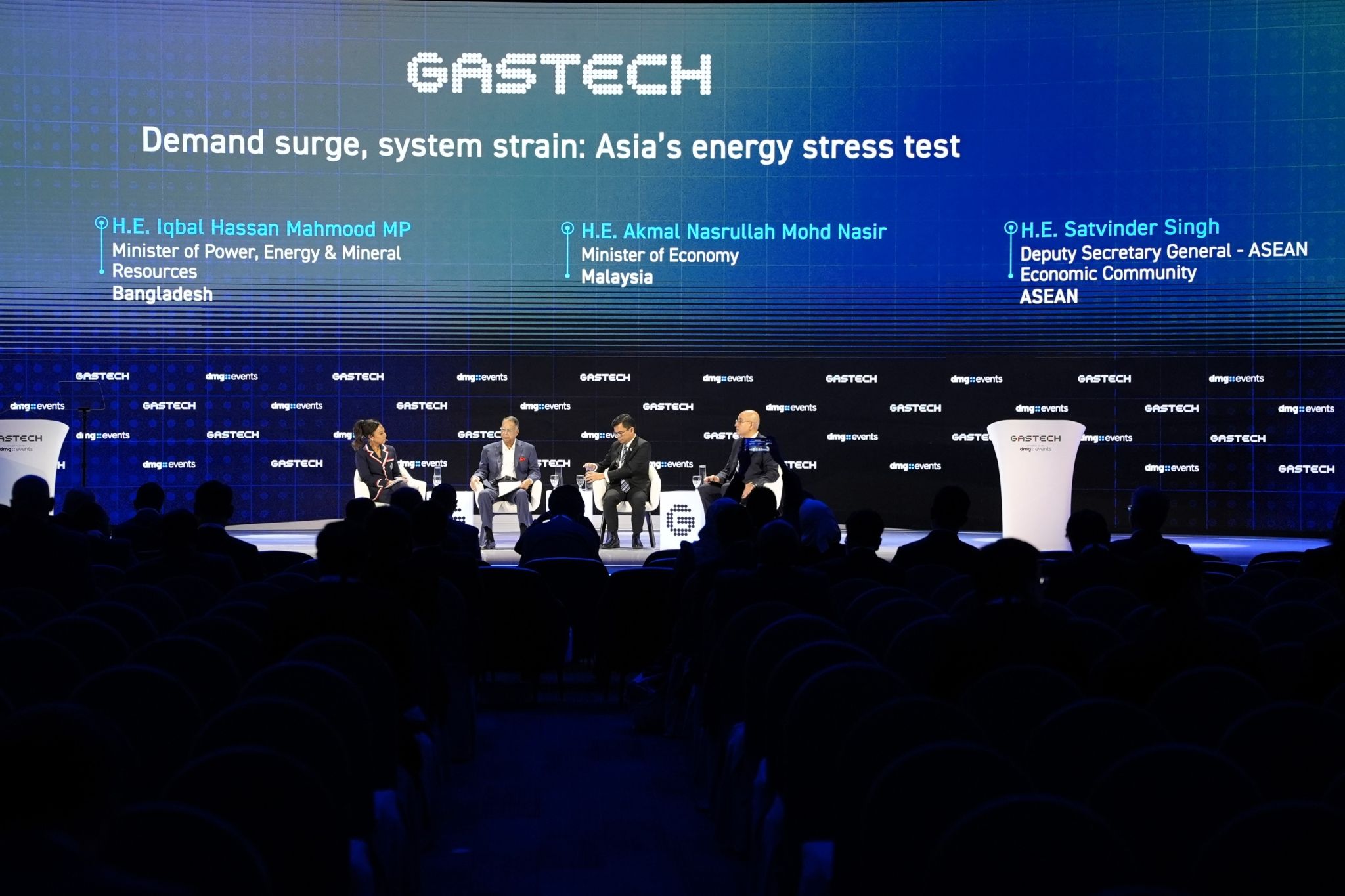
Revisit the sessions, themes, and discussions that defined the Strategic Conference in 2026.


dmg events is an international exhibition and conference organiser, publisher and information provider to the Energy, Construction, Plastics, Coatings, Manufacturing, Transport, Design and Hospitality industries.
Member of


