

















































































































































































































































































With 1,000 exhibitors, Gastech connects energy solutions and technologies with global industry leaders, decision-makers, and financiers.
Learn moreExplore solutions in natural gas, LNG, low carbon solutions, electrification and AI for energy. With 1,000 exhibitors and dedicated industry areas, the exhibition offers breakthrough innovations, new commercial opportunities, and access to Asia’s fastest-growing energy markets.
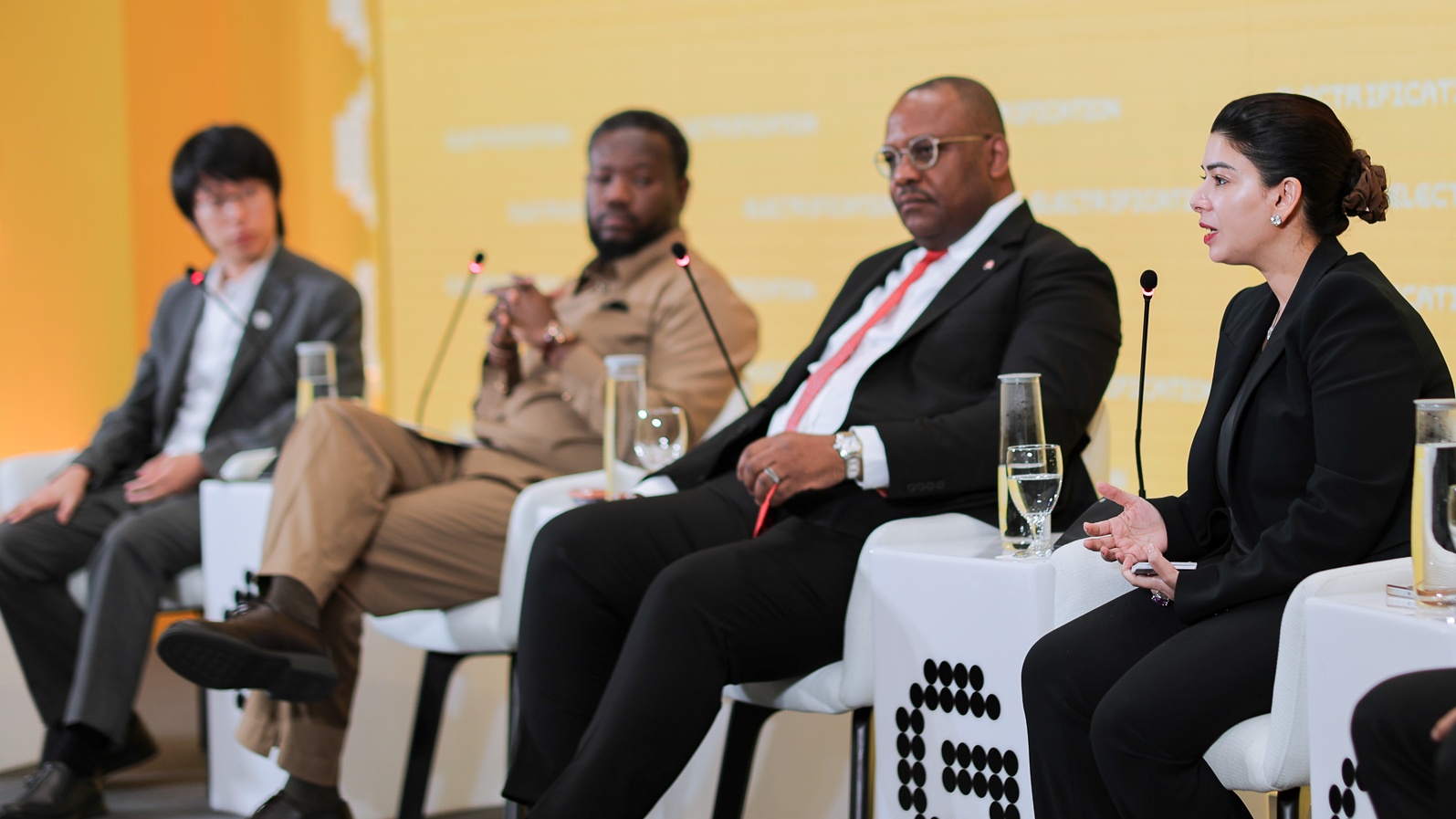
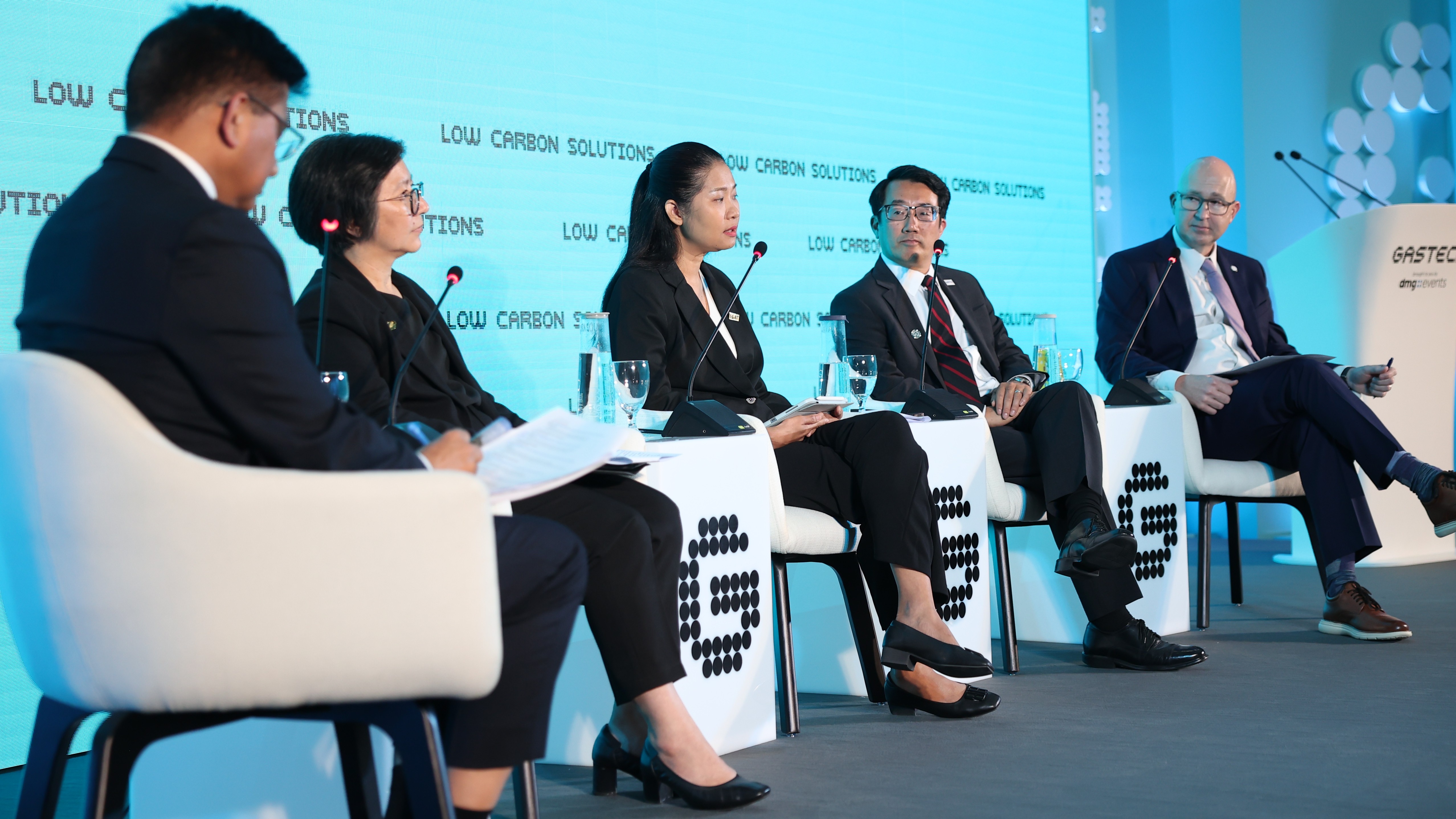
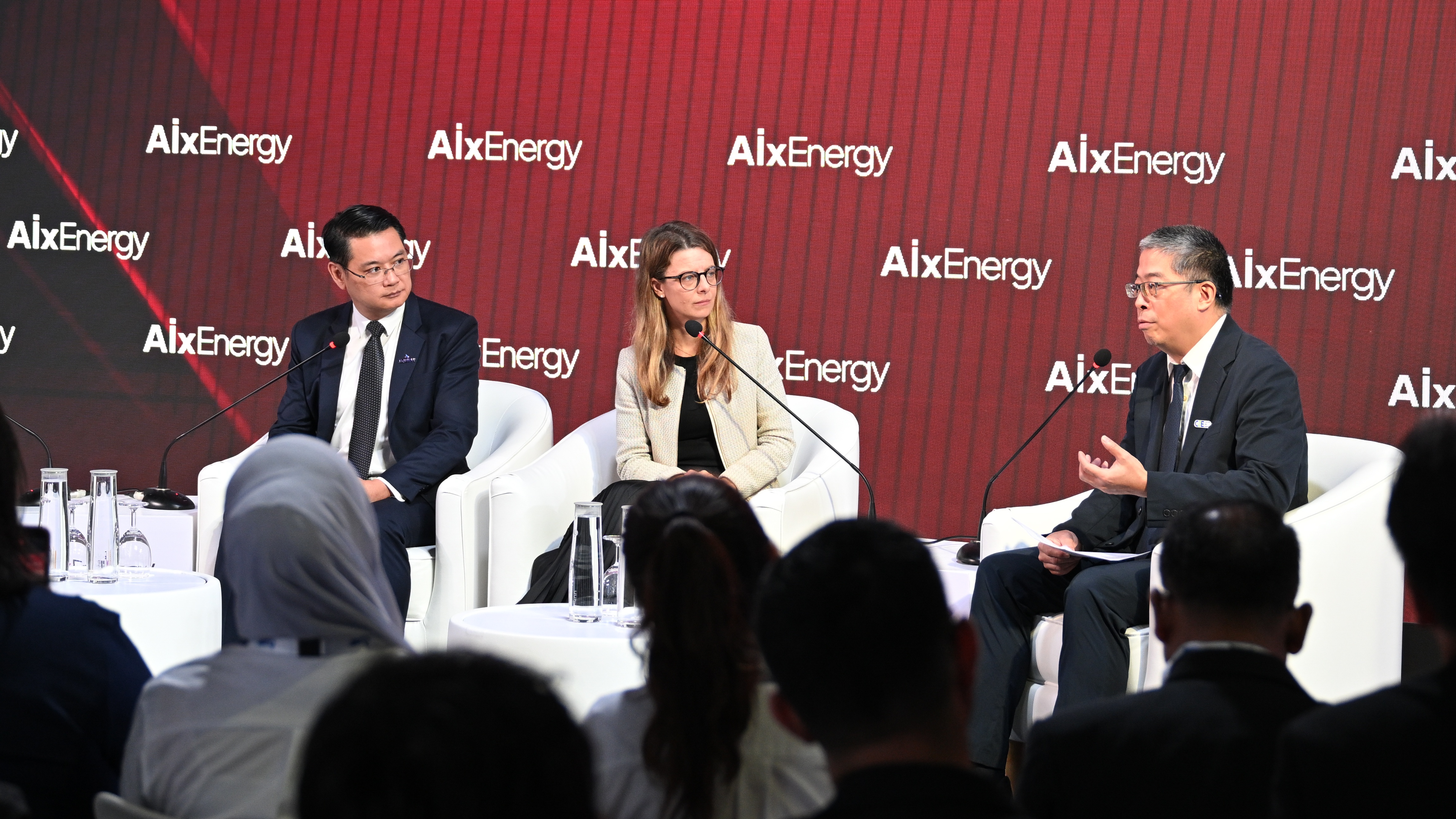
Learn moreThe Gastech Conferences serve as a critical platform for the industry, inspiring policy development, collective action, and knowledge sharing with the potential to drive technical innovation. These conferences are designed to support sustainable economic growth and deliver tangible global energy solutions.
Learn moreThe Gastech Energy Club is a prestigious, members-only platform uniting ministers, government officials, c-suite executives, and board members from world-leading energy companies.
Learn moreDiscover expert insights, interviews, and analysis from the Gastech community on the technologies, strategies, and innovations shaping the journey to net zero.
Learn moreDiscover essential travel information, local insights, and visitor guidance designed to support your journey to Bangkok for Gastech. From accommodation and transport to curated city experiences and practical travel advice, explore everything you need to make the most of your time in one of Asia’s most dynamic and internationally connected destinations.
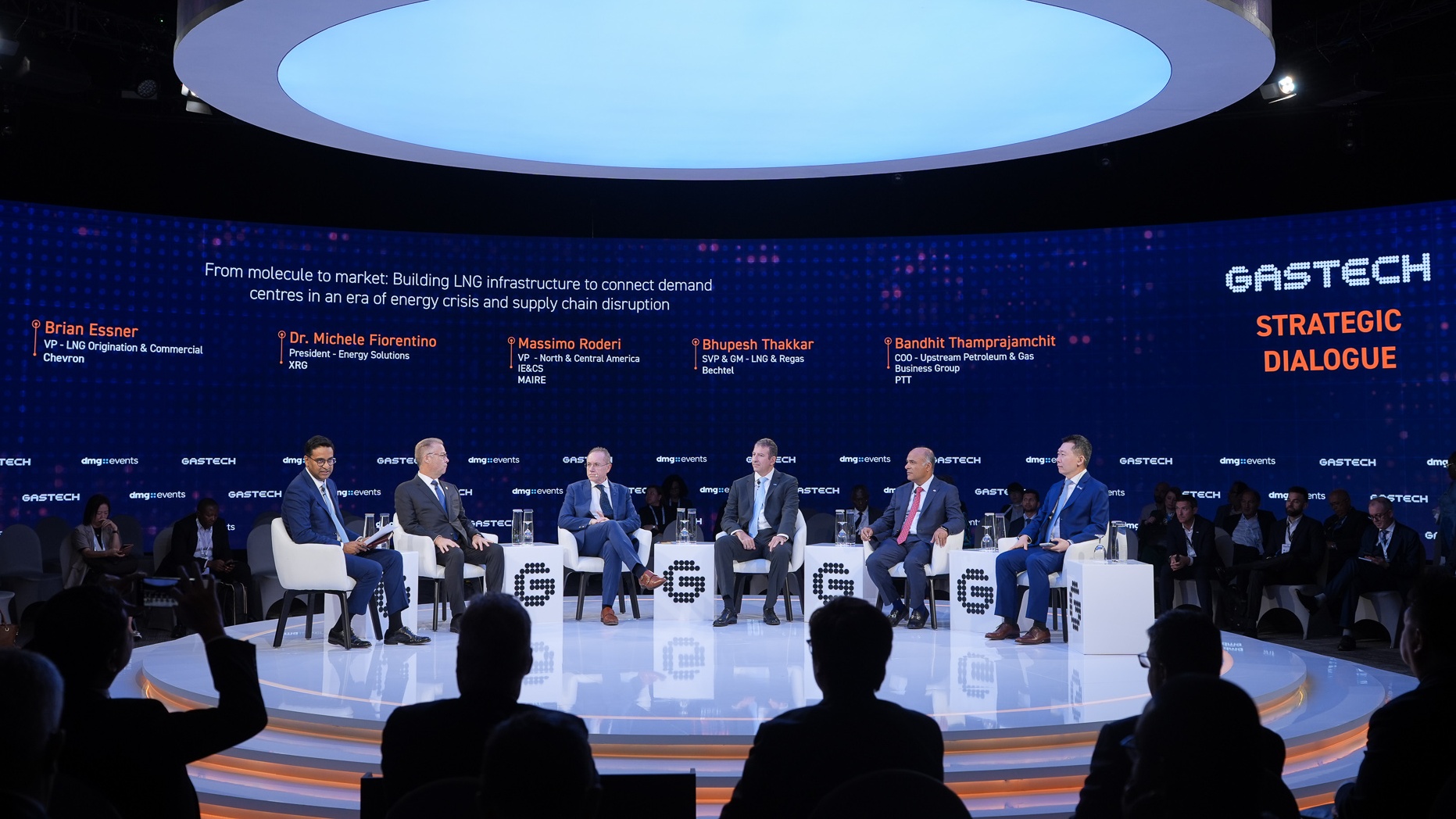
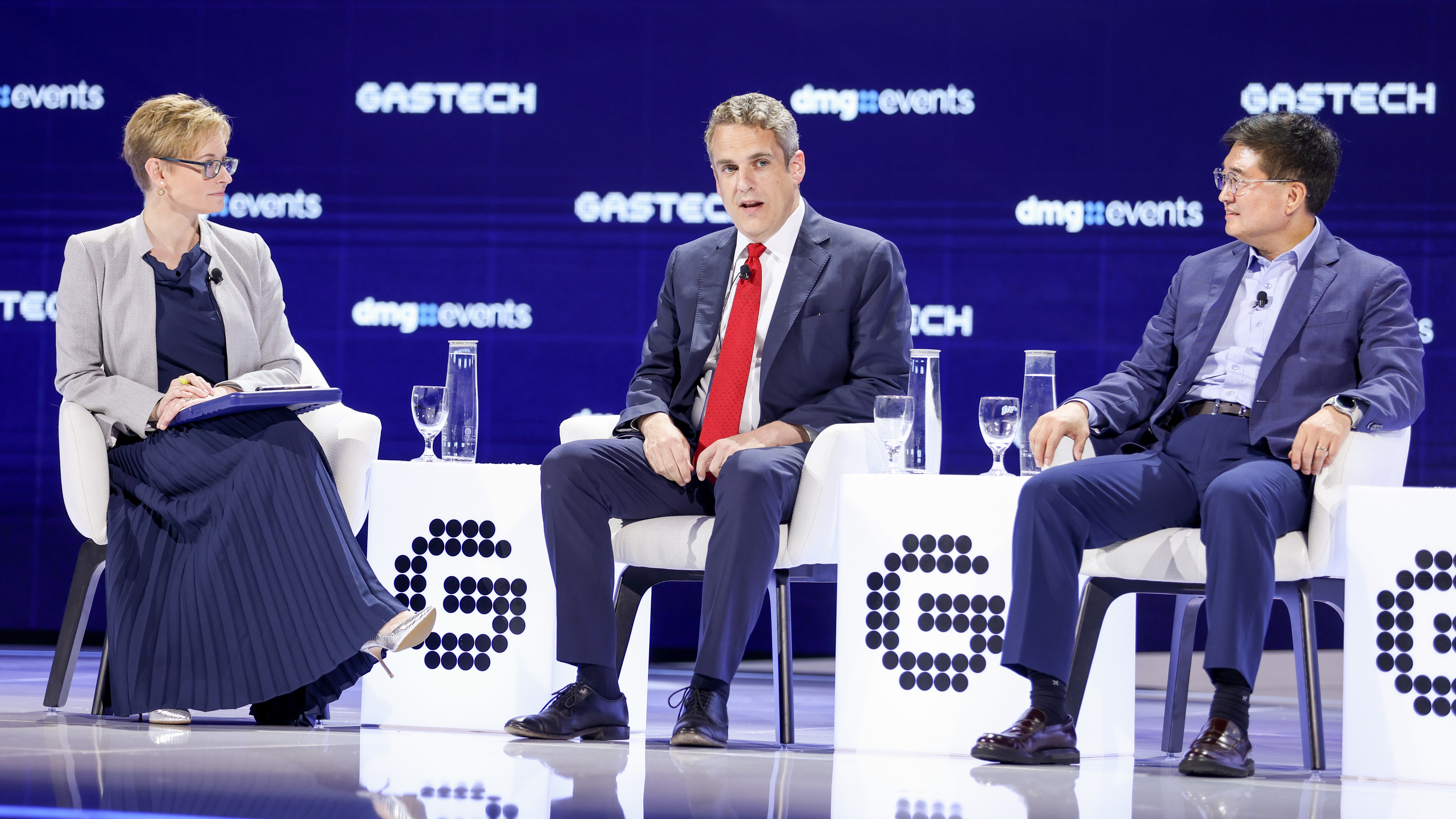
The Strategic Leadership Programme will play a pivotal role in shaping the global energy agenda by driving secure, affordable, and low carbon energy solutions. It will focus on unlocking new markets for natural gas and LNG, expanding energy access to empower communities, and fostering economic development worldwide.
Through high-level discussions, the programme will bring together policymakers, energy industry CEOs, major consumers, financiers, technologists, and NGO leaders to chart a path toward a more secure, sustainable, and stable energy future.
Power demand is surging while supply chains fracture and infrastructure become strategic. Governments are rethinking how energy is built, secured and financed as geopolitical shocks expose fragile markets. Hard choices loom between sovereignty, cost and decarbonisation: coal, renewables, or flexible LNG. As electrification, industry and urban growth accelerate, natural gas and LNG remain essential, delivering reliable baseload power and anchoring a resilient, diversified energy system.Audience i... Read More
As geopolitics redraws global energy and resource markets, Alaska is re-emerging at the centre of a new Arctic economy shaped by energy security, strategic infrastructure and growing competition for critical resources. In this Energy Talk, the Governor of Alaska, Mike Dunleavy joins Brendan Duval to discuss how Alaska LNG could transform the state’s economic future while strengthening energy security across the Pacific. Together, they explore the commercial momentum behind the project, the oppor... Read More
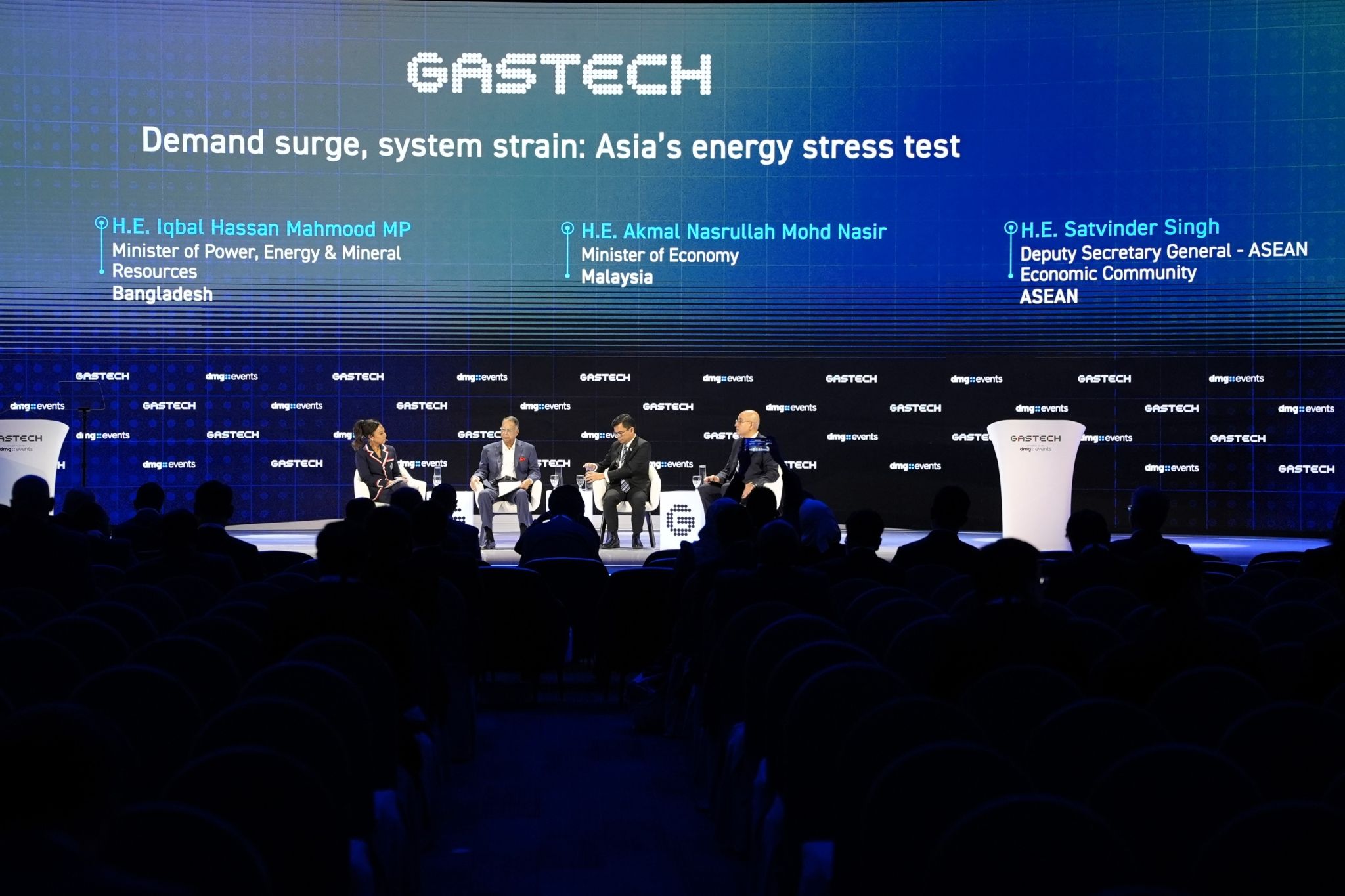
Emerging Asia is at the centre of surging energy demand, with growth driven by industrialisation, digitalisation and rising populations. Power systems are under strain from infrastructure gaps and fuel risks. The priority is securing reliable, affordable electricity. Gas and LNG are critical for grid stability, supply diversification and industrial growth, especially where alternatives fall short. Progress hinges on market reform, transparent pricing, stronger utility finances and deeper region... Read More
National oil companies are undergoing a strategic recalibration as energy markets fragment and transition pathways diverge. Once defined primarily by scale and production growth, NOCs are now reshaping their portfolios, investment strategies and national roles. This pivot reflects changing demand outlooks, capital discipline, industrial policy objectives and evolving expectations around security of supply. Across upstream, LNG, downstream, petrochemicals and low-carbon investments, NOCs are repo... Read More
As geopolitical tensions and hybrid threats intensify, energy infrastructure is increasingly exposed to physical attack, cyber intrusion and strategic sabotage. From pipelines and LNG terminals to grids and control systems, resilience is now a matter of national and economic security. Military, government and energy leaders are aligning to anticipate, deter and respond to multi-domain threats while maintaining continuity of supply. This includes infrastructure hardening, real-time monitori... Read More
The world is entering a new era of electricity demand. From AI and data centres to advanced manufacturing, electrification and economic growth, power consumption is rising faster than many expected. Yet while demand accelerates, energy systems face mounting pressure to deliver reliable, affordable and resilient electricity. Meeting this challenge will require more than new generation capacity. It demands investment across the entire energy value chain, from fuel supply and power generation ... Read More
Artificial intelligence and algorithms are opening a new chapter in how energy systems are conceived and operated. As power, industry and infrastructure become increasingly digital, efficiency is no longer bounded by static design limits, but shaped by intelligence applied continuously and at scale. Data-driven systems are beginning to sense, learn and adapt across complex networks, delivering 5–15% efficiency gains while enhancing flexibility, resilience and system responsiveness. This emerging... Read More
Natural gas is entering a more complex era. Hopes of prolonged LNG oversupply have faded, replaced by tighter markets, price volatility and fierce competition for cargoes, especially in Asia. High prices are slowing demand in sensitive economies, raising risks of fuel switching and long-term demand loss as power, industry and data centres seek alternatives. Keeping gas competitive will require flexible supply, strategic storage and coordinated approaches, echoing oil stockpiling, to manage volat... Read More
Global energy investment is entering a new phase, shaped by electrification, infrastructure expansion and geopolitical realignment. Capital flows are no longer following transition narratives alone, but gravitating toward assets that combine scale, resilience and long-duration relevance. Power networks, LNG, storage, critical minerals and low-carbon infrastructure are absorbing a growing share of global investment as demand growth, security priorities and industrial strategy converge. At the sam... Read More
Electrification is driving global power demand, but LNG’s role is diverging. In Southeast Asia, urbanisation and cooling needs sustain gas-to-power growth; in mature markets, gas competes with renewables and storage. For buyers, the challenge is strategic: securing long-term supply in a tightening market while managing volatility, infrastructure constraints and shifting climate policy. Flexibility now matters as much as baseload. As renewables and batteries scale, the question is when they can m... Read More
Large-scale energy infrastructure is reshaping how energy markets operate across regions. Cross-border electricity interconnectors, gas and LNG networks, hydrogen backbones and CO₂ transport corridors are linking supply and demand beyond national boundaries, enabling scale, flexibility and resilience. In Southeast Asia, initiatives such as the ASEAN Power Grid, expanding regional gas and LNG connectivity, and emerging cross-border renewable and hydrogen corridors illustrate how infrastructure me... Read More
As geopolitical tensions, shifting trade relationships and growing concerns over economic resilience reshape global markets, energy security has become a defining strategic priority. In this Energy Talk, Richard Holtum, CEO of Trafigura, and Egbert Laege, CEO of SEFE, examine how the world's energy supply chains are being redrawn in response to a rapidly changing geopolitical landscape. From LNG and global commodity flows to infrastructure investment, market resilience and Europe's evolving ener... Read More
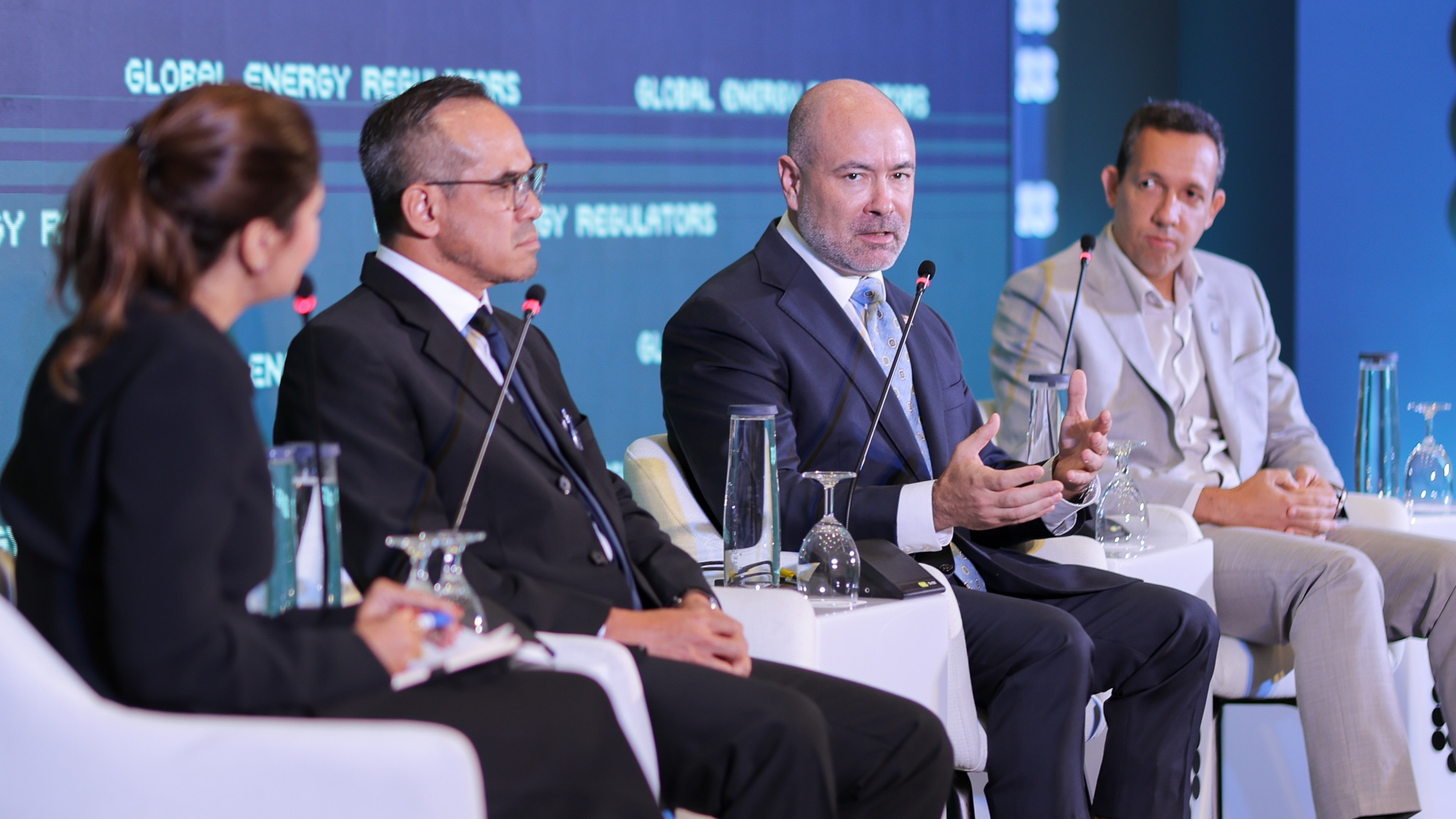
Energy regulation is becoming more interventionist, shifting focus from efficiency to capacity, resilience and strategic reserves as governments respond to volatility and supply concerns.A key challenge is funding new capacity, including gas storage, while keeping markets attractive to investors. At the same time, policy tensions are rising as ambitious methane and carbon targets test short-term feasibility, raising a broader question: should regulation enable the transition or actively force it... Read More
For decades, energy, telecommunications and computing evolved as largely separate industries, each with its own infrastructure, economics and operating models. Today, those boundaries are rapidly dissolving. The growth of artificial intelligence, cloud computing and data centres is creating unprecedented demand for power, connectivity and digital infrastructure, bringing these sectors into closer alignment than ever before. This Energy Talk will explore how energy, connectivity and compute ... Read More
The ability to deliver new LNG into the global market is increasingly dependent on EPC strategies that can accelerate project delivery while managing growing supply chain risks. With global LNG demand projected to rise by around 60% by 2040, driven by Asia’s industrial growth, emissions targets and surging electricity needs from AI and data centre expansion, the pressure to develop infrastructure quickly and reliably is intensifying. Compounded by escalating geopolitical tensions and growing ins... Read More
Energy systems are growing more interconnected and complex, making partnerships essential to share risk, mobilise capital and accelerate delivery, especially in fast-growing regions where demand has surged. Cross-border collaboration, from power interconnections to shared infrastructure, technology exchange and innovative financing, is strengthening energy security while supporting decarbonisation.Grounded in trust and aligned incentives, these partnerships offer practical routes to scale and re... Read More
AI is rapidly reshaping the LNG value chain, offering new opportunities to enhance reliability, reduce costs and optimise decision-making from production to delivery. As global appetite for LNG grows, producers and traders are under increasing pressure to boost efficiency and extract more value from every molecule.Across liquefaction plants, AI‑enabled predictive maintenance, digital twins and automated process optimisation are reducing unplanned downtime and improving energy efficiency. In ship... Read More
Energy markets are entering a capital-intensive era driven by electrification, infrastructure renewal and resilience. Institutional investors are prioritising scale, performance and strategic positioning, with patient capital backing major platforms alongside governments and corporates. Portfolios are shifting towards diversification across technologies, regions and regulatory regimes. Strong risk management, governance and stable policy are critical. Institutional capital will shape the pace an... Read More
Next generation liquefaction is emerging as the backbone of future LNG competitiveness, unlocking faster delivery, lower costs, and greater operational flexibility across the value chain. With IEA forecasting over 300 bcm of new liquefaction capacity under development through 2030, global players are increasingly relying on advanced engineering solutions to bring projects online at pace and scale. Alongside advances in liquefaction, the rapid deployment of flexible regasification infrastructure ... Read More
Grid infrastructure is now central to competitiveness and AI deployment. Power demand could rise over 70% by 2050, yet transmission is lagging, creating bottlenecks that constrain industry, data centres and cross-border trade. Ageing systems face added risks from extreme weather, cyber threats and decentralisation.With renewables dominating new capacity, flexibility and storage are critical. Building resilient, digital grids will require faster permitting, major investment and close collaboratio... Read More
Recent disruptions to key supply routes have transformed a well-supplied gas market into a more constrained and uncertain one. The loss and redirection of volumes has underscored how quickly global balances can shift, and how concentrated supply and infrastructure remain across both LNG and pipeline systems. Attention is turning to the need for greater supply diversity, expanded system capacity and more flexible routes to market. New and underutilised sources of gas, alongside existing producers... Read More
Asia’s fast-growing economies are central to global LNG demand, even as tighter markets and higher prices strain energy systems. Urbanisation, industrial growth and rising power use are driving the need for reliable, affordable gas, while increasing sensitivity to volatility. In Southeast Asia, LNG supports grid reliability; elsewhere it competes with coal, renewables and nuclear. Sustaining demand will depend on infrastructure, diversified supply and contract flexibility in a tighter market.Aud... Read More
LNG markets are becoming more dynamic and trade-driven, with freight, routing and timing increasingly shaping value. For traders, success lies in optimising cargoes across routes and counterparties, not just regional price spreads. This is reshaping contracts. Flexibility, diversion rights and portfolio breadth are now key advantages, while buyers weigh concentration versus diversification. Long-term deals remain vital but must evolve to keep pace with a more fluid, trader-led market.Audience in... Read More
As the global energy transition gathers pace, emerging markets across the Global South are charting pragmatic pathways shaped by affordability, access, and rapid demand growth. Nowhere is this more visible than in mobility, where alternative fuels and electrification are unfolding in diverse and often unexpected ways. In this Energy Talk, Pras Ganesh of Toyota Asia will explore how these markets are integrating power systems, digital technologies, and investment to support cleaner transport. Dra... Read More
The relationship between decarbonisation and energy security is being fundamentally redefined. Clean energy is no longer solely a climate imperative. It is increasingly a strategic lever to reduce exposure to volatile fuel markets, strengthen system resilience and enhance national sovereignty. This shift is reshaping how energy systems are designed and financed. Electrification, low-carbon molecules and next-generation infrastructure are creating new pathways to diversify supply while maint... Read More
As global energy demand continues to grow and energy security remains a strategic priority, a new generation of producers is emerging alongside established suppliers seeking to expand their role in international markets. From frontier developments and untapped resources to major expansion projects, countries are competing to attract investment, accelerate project delivery and secure their place in the future energy landscape.What separates nations that successfully convert resource potential int... Read More
Artificial intelligence is becoming a core driver of productivity, industrial strategy and economic growth. Countries are racing to integrate AI while expanding the energy and digital infrastructure needed to support it.This shift is creating new policy challenges. Labour markets are evolving, skills demands are changing and energy use is rising, especially from data-intensive sectors. Governments must manage workforce transitions while ensuring inclusive growth. Closer alignment between energy,... Read More
Emerging markets are redefining global energy demand in both scale and character. The focus is shifting from headline growth to its durability, with industrial users increasingly at its centre. Across South and Southeast Asia, strong signals from buyers and utilities point to continued expansion driven by industrialisation, electrification, and digital infrastructure - with LNG playing a key bridging role. But translating demand signals into bankable projects remains the critical challenge. ... Read More
Expanding access to affordable, reliable energy remains vital for growth, industry and stability, even as rising demand and system pressures intensify challenges. Affordability is now as critical as availability, with price volatility and financing constraints shaping policy and investment. Governments must balance access, reliability and fiscal risk.Progress depends on practical pathways, from infrastructure and market design to international cooperation that supports stability and long-term re... Read More
Global energy investment exceeds $3tn annually, but capital is increasingly selective, favouring resilient, scalable projects with predictable returns. Rising demand and volatility are sharpening scrutiny on contracts, counterparties and regulation.Traditional project finance is under pressure, with cautious lenders, tighter credit and higher construction risk slowing deployment. Key questions remain over what will unlock capital.Financing is evolving, with flexible assets attracting investment ... Read More
Energy and digital infrastructure are becoming central to national power, reshaping sovereignty and strategic risk. Governments are tightening control over grids, supply chains and systems, while focusing on cyber security and reducing external dependencies.This shift is influencing investment, regulation and international cooperation. Greater control can strengthen resilience, but risks fragmentation and inefficiency. The challenge is balancing national control with the benefits of interconnect... Read More
Over 75% of energy sector methane emissions could be cut with existing, often low-cost technologies. Yet uneven regulation and policy create inconsistent incentives and enforcement across regions. Embedding methane management across operations, from maintenance to procurement and capital allocation, is critical to turning data into action.Linking emissions intensity to market access, financing and buyer requirements can drive change, making methane management a core performance metric across the... Read More
Global shipping is at a turning point, with regulation, technology and climate goals accelerating the shift to low-carbon fuels. The IMO’s Net-Zero Framework introduces fuel standards and carbon pricing to cut emissions across most oceangoing vessels.LNG is playing a near-term role, supporting emissions reductions as alternative-fuel fleets expand.Delivering the transition will require major investment in bunkering, ports and shore power, alongside stronger coordination across industry and polic... Read More
Heavy industry, spanning steel, cement, chemicals, aluminium, shipping and aviation, accounts for nearly 40% of global emissions. Decarbonisation is constrained by energy intensity, long-lived assets, complex supply chains and mixed policy signals. Solutions exist, from electrification to hydrogen and carbon capture, but progress depends on integrated approaches.Cross-sector partnerships and new energy systems will be critical to align capital, policy and demand, turning hard-to-abate sectors in... Read More
The energy industry faces a talent crisis with two-thirds of new hires replacing retirees between now and 2030 [IEA]. At the same time, AI is driving rapid change to the skills required by nearly all roles, highlighting the need for comprehensive upskilling and reskilling initiatives [McKinsey]. However, many companies are hesitant to incur training costs, fearing workers will leave after learning new skills. To address this challenge, a broader, long-term view prioritising future ene... Read More
Asia sits at the centre of the global energy story. Home to the world's fastest-growing demand centres, the region must balance energy security, affordability and sustainability while navigating geopolitical uncertainty, technological disruption and shifting trade flows. LNG remains critical, but power, renewables, hydrogen, carbon management and AI-driven demand are reshaping investment priorities. As Asia's leading energy companies expand their portfolios and influence, what choices will defin... Read More
Global energy supply chains are under strain, with disruptions exposing fragile chokepoints and the speed of geopolitical shocks. Shipping has shifted from logistics to a strategic lever shaping cost, access and delivery.Rising LNG tanker capacity is redefining routing and commercial strategy, influencing flexibility, arbitrage and market liquidity. Meanwhile, trade tensions and industrial policy are reshaping sourcing, making diversification, flexible shipping and closer public-private coordina... Read More
Global energy demand is rising, geopolitical fragmentation is reshaping trade flows, and governments are demanding faster delivery of strategic energy infrastructure. Yet across the industry, timelines are stretching, costs are escalating, and competition for engineering capacity, equipment and capital is intensifying. From deepwater pipeline systems and cross-border export corridors to LNG terminals and integrated gas developments, a new race is underway to bring large-scale projects online qui... Read More
AI is shifting from pilots to real-world deployment across energy systems, with the focus now on delivering sustained value at scale. Progress is slowed by fragmented pilots, data silos and weak change management, while governance and cyber resilience remain essential.Leading organisations are embedding AI into core operations, improving productivity, reliability and cost efficiency.Those that scale AI effectively, with strong governance and aligned leadership, will turn digital acceleration int... Read More
As the global energy landscape becomes increasingly interconnected and unpredictable, energy companies must navigate a growing web of geopolitical tensions, evolving trade flows, technological disruption and shifting demand patterns. In this environment, competitive advantage is no longer defined solely by scale or resources, but by the ability to manage complexity, allocate capital effectively and create value across diverse markets, fuels and business models. How are the world's leading integr... Read More
The foundations of global energy interdependence are being tested. Supply chains are fragmenting, trade flows are shifting and trust is becoming more conditional. At the same time, no region is fully self-sufficient, and cooperation remains essential to maintaining stability, managing shocks and enabling growth. This boardroom brings together security, policy and market perspectives to examine whether the current system is evolving, fragmenting or being deliberately restructured. It considers ho... Read More
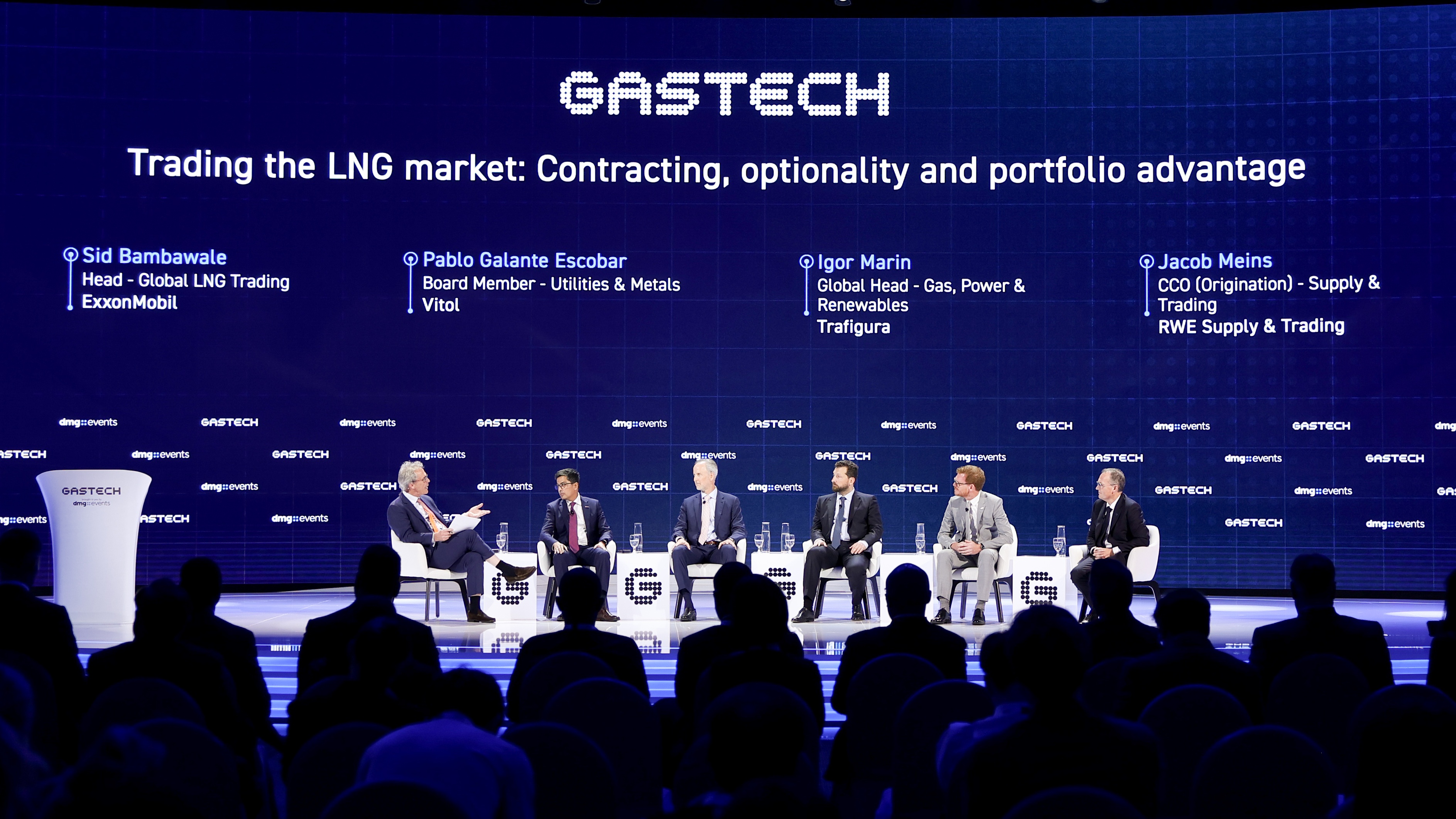
The global LNG market is entering a new phase, shaped by shifting demand centres, price volatility and diverging policy environments. Developers and suppliers are rethinking how LNG portfolios are built, financed and delivered. Optionality across supply routes, contract structures and destination markets is becoming a strategic asset, alongside cost position, delivery speed and execution discipline. Project timelines, modular development and portfolio diversification are increasingly influencing... Read More
Rising demand, geopolitical fragmentation and uneven decarbonisation are reinforcing the strategic role of molecules within a multi-fuel energy system. LNG is moving into a new phase, shaped less by transition narratives and more by system stability, flexibility and portfolio optionality. Asia is expected to account for the majority of LNG demand growth over the next two decades, driven by power generation, industrial expansion and energy security priorities. At the same time, capital markets ar... Read More
Dr. Birol will provide the IEA’s latest insights on the outlook for global LNG markets at a time of structural change and heightened uncertainty. Following the recent disruptions to LNG flows through the Strait of Hormuz, he will examine how heightened concerns about supply security, as well as damaged infrastructure and new directions in energy policy are set to reshape market balances, trade flows and investment decisions. He will also share insights on the broader role natural gas can play in... Read More
The Strategic Leadership Programme will play a pivotal role in shaping the global energy agenda by driving secure, affordable, and low carbon energy solutions.
From ministerial dialogues to executive leadership panels,
explore the programmes, speakers and strategic themes shaping energy systems worldwide.
dmg events is an international exhibition and conference organiser, publisher and information provider to the Energy, Construction, Plastics, Coatings, Manufacturing, Transport, Design and Hospitality industries.